
The Social Benefits of Group Classes for Adults
- RAE Crew

- Mar 12
- 4 min read

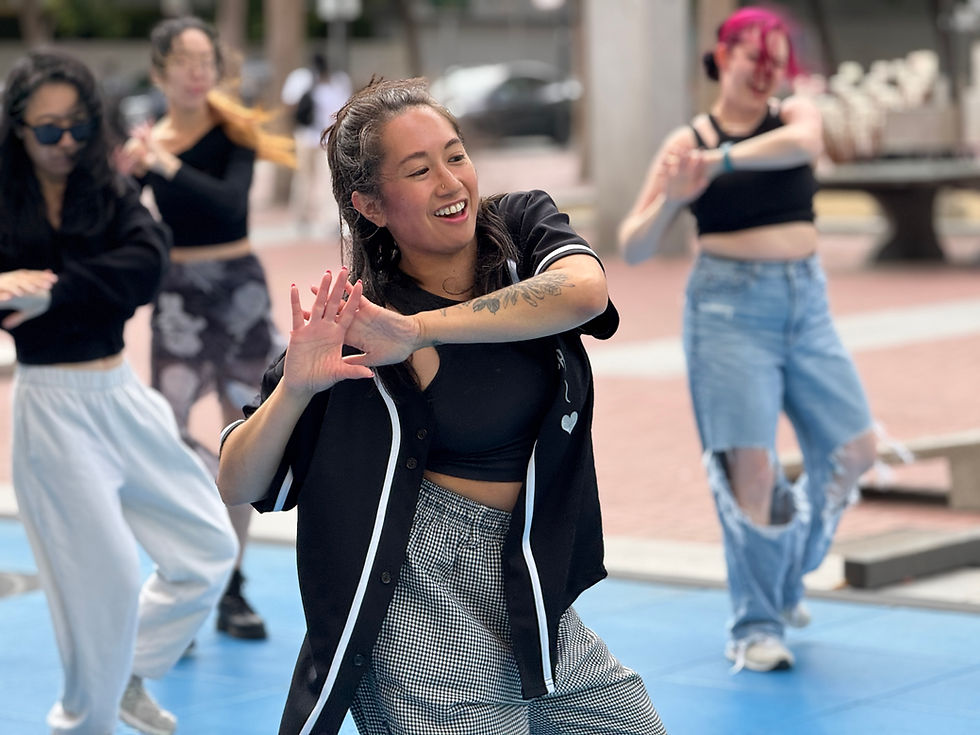
Adults increasingly join dance classes to meet new people, improve fitness, and enjoy structured social activity. Group dance classes for adults attract individuals from different backgrounds who seek enjoyable ways to stay active. Fitness trends now emphasize social engagement alongside physical activity, making dance an appealing option. Many adults explore styles like salsa, swing, tango, and contemporary, each offering distinct rhythms and challenges. Classes combine movement with shared experiences, fostering laughter, conversation, and support. Stress relief emerges naturally as participants focus on steps, music, and coordination. With rising interest in social fitness, dance studios provide environments where adults can enhance stamina, connect with peers, and cultivate confidence while having fun.
Building Friendships and Social Connections
Adults find meaningful friendships in dance classes, connecting with others who share similar interests. Working with partners and small groups encourages collaboration and trust, while shared goals and achievements spark conversation, laughter, and mutual encouragement. As social interaction during classes reduces feelings of isolation and enhances confidence, weekly sessions create routine opportunities to meet peers and deepen bonds. Dance studios often host events or social gatherings, further strengthening relationships beyond the classroom. This creates a stronger sense of belonging, and participants leave classes energized and socially engaged, finding support networks and companionship in a safe, friendly environment. The combination of activity and connection fosters both mental and emotional well-being, making dance a social outlet as well as physical exercise.

Boosting Confidence and Self-Esteem
Learning new dance routines challenges adults to push personal limits, improving self-esteem through achievement. Performing in front of classmates helps participants overcome anxiety and gain courage. Each mastered step reinforces confidence and encourages adults to try more complex routines. Encouragement from instructors and peers strengthens motivation, making progress visible and rewarding. Adults notice improved posture, movement fluidity, and grace over time, which contributes to confidence in daily life.
Dance also allows exploration of creativity, expressing personality through motion. Facing mistakes and correcting them in a supportive environment teaches resilience. As skills grow, adults feel empowered, and performing routines in class or at social events enhances pride and satisfaction. Altogether, this combination of learning, practice, and recognition contributes to lasting self-assurance
Physical Health Benefits of Group Dance Classes
Adults who join group dance classes for adults gain measurable physical health benefits while enjoying social interaction. Moving to music improves cardiovascular health and builds stamina over time, increasing endurance in a fun environment. Regular sessions include low-impact exercises that protect joints while maintaining intensity and cardio for dancers naturally strengthens the heart without strain. Dancing also burns calories efficiently, supporting weight management and energy balance. Beyond physical fitness, participants often experience reduced stress and improved mood through rhythmic movement and music engagement. Coordination, balance, and flexibility improve gradually, while the combination of exercise and social interaction enhances mental well-being. Adults who commit to classes notice sustained energy, better posture, and a stronger sense of overall wellness.

Enhancing Coordination and Teamwork
Dance requires adults to focus on timing, rhythm, and spatial awareness, which improves coordination and body control. Hence, practicing in groups encourages teamwork as participants synchronize movements with partners and peers. Collaborative exercises teach adults to anticipate others’ motions, respond quickly, and adapt to changes. Trust develops as partners rely on each other for guidance, forming stronger connections. Repeated practice improves memory and movement precision. Similarly, group routines build patience, cooperation, and problem-solving skills while encouraging accountability. Adults notice greater ease in multitasking and planning in everyday life due to these improvements. Learning choreography together reinforces communication skills and mutual support. The combination of physical coordination and collaborative engagement enhances fitness and social skills, giving adults multiple benefits from consistent participation in dance classes.
Experiencing Cultural Diversity Through Dance
Adults explore new cultures and traditions while learning different dance styles, enhancing their understanding of global music and movement. Above all, exposure to Latin, swing, ballroom, and contemporary styles introduces unique rhythms and techniques. One study showed that contemporary dance boosts flexibility by 25% after 8 weeks. Participants appreciate cultural expression while practicing steps in a structured yet lively environment. Dance classes highlight the history and character behind each style, sparking curiosity and appreciation. Interacting with peers from various backgrounds encourages respect and openness.
Adults gain awareness of diverse traditions while sharing their own experiences. Music, movement, and storytelling combine, creating immersive lessons that educate and entertain. The experience strengthens empathy, social skills, and cultural intelligence. Adults enjoy both physical activity and a broader perspective on human expression, making cultural exploration an exciting and meaningful aspect of group dance.

Mental Well-being and Stress Relief
Moving to music in a group setting reduces tension and provides an emotional outlet. Not to mention, focusing on steps and rhythms keeps the mind present, offering a temporary escape from daily pressures. Adults release endorphins during physical activity, improving mood and lowering stress hormones. Repeated practice fosters mindfulness, as participants concentrate on patterns, timing, and coordination. Social engagement with peers adds encouragement and laughter, further boosting mental health. Besides, sharing experiences with classmates strengthens support networks and combats loneliness. Adults often report increased energy, better sleep, and reduced anxiety after regular dance sessions. Combining physical exertion with mental focus and social connection offers holistic well-being. Participants leave classes feeling refreshed, accomplished, and emotionally balanced. Dance becomes both therapy and recreation, supporting long-term mental health alongside physical fitness.
Improving Flexibility and Balance
Adults develop stronger balance and flexibility through consistent movement and stretching in dance classes. With this in mind, exercises focus on joint mobility, posture, and core stability, reducing injury risk in everyday life. Stretching routines and controlled motions lengthen muscles, increase range of motion, and improve overall coordination. Repeating sequences enhances body awareness, making transitions smoother and more confident. Then again, improved balance translates to better performance in sports, walking, or daily tasks. Adults notice greater agility and ease in movement, feeling more in control of their bodies. Dancing also challenges stabilizing muscles while moving rhythmically, encouraging endurance and strength. These physical improvements support both athletic ability and general health, giving participants lasting benefits beyond the studio floor.
Embrace the Benefits of Group Dance Classes for Adults
Group dance classes for adults offer more than fitness—they enhance social connections, mental well-being, and confidence. Adults improve endurance, coordination, and flexibility while enjoying supportive, fun environments. Participating regularly creates lasting friendships, reduces stress, and promotes overall wellness, making dance an engaging way to stay active and socially connected.


Comments