


Recovering From Burnout With Dance-Based Fitness And Joyful Movement

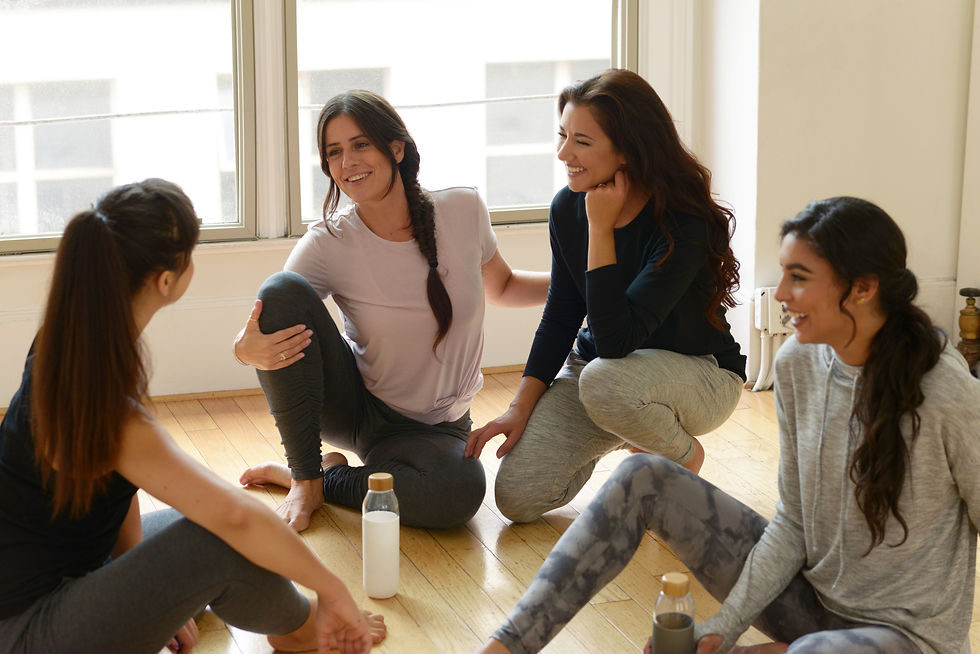
Burnout can leave you feeling drained, both mentally and physically. The demands of daily life, especially work stress, can leave you overwhelmed, exhausted, and disconnected from yourself. But there’s hope—recovering from burnout doesn’t have to be a long, complicated journey. Dance-based fitness and joyful movement provide a fun, effective way to reconnect with your body and regain energy. Here, we'll explore how movement can heal and restore balance to your life.
What is Burnout? Understanding the Root Causes
Burnout is more than just feeling tired—it’s a state of chronic physical and emotional exhaustion caused by prolonged stress. It often stems from overwhelming work demands, a lack of balance, or the feeling that you’re constantly “on.” Over time, burnout can erode your energy, enthusiasm, and sense of purpose. The symptoms can range from fatigue and irritability to a feeling of being disconnected from your work and life.
In the process of recovery, engaging in dance-based fitness can help you regain your strength. Dance boosts your confidence by allowing you to express yourself and break free from the cycle of stress. Movement becomes an essential tool in healing, offering both emotional and physical restoration.
The Emotional and Nervous-System Impact of Chronic Work Stress
Burnout isn’t just physical exhaustion; it’s a deep emotional and psychological drain. Prolonged stress can push you toward unhealthy coping mechanisms like overeating, excessive caffeine consumption, disengaging from meaningful relationships, or even substance abuse. Sometimes, when workplace stress becomes overwhelming, it can create a disconnection between mind and body, leading to anxiety, irritability, and emotional numbness.
At this point, burnout no longer feels manageable, and it can significantly impact your mental health. Dance-based fitness and joyful movement act as antidotes to this cycle, providing a healthy outlet for emotional release. Movement can recalibrate your nervous system, lowering cortisol levels and boosting your mood, helping you regain control and start rebuilding your resilience.
Dance-Based Fitness: A Powerful Tool for Recovery
Dance-based fitness is more than just fun—it’s a dynamic way to heal from burnout. By combining movement, rhythm, and music, these workouts engage both the body and mind. When you move to the beat, you activate endorphin production, which can instantly boost your mood and energy levels. Dance-based fitness is especially effective because it allows you to express emotions in a nonverbal way, helping you process feelings that may be hard to articulate.
In short, recovering from burnout through movement helps break the cycle of stress and exhaustion. Whether it’s a high-energy Zumba class or a more relaxed dance session, each movement contributes to reducing anxiety and regaining emotional balance.

Joyful Movement: More Than Just Exercise
Joyful movement goes beyond traditional exercise—it’s about reconnecting with your body in a playful, freeing way. Unlike intense workouts that focus solely on results, joyful movement invites you to enjoy the experience, regardless of your skill level. Whether it’s a spontaneous dance session in your living room or a slow, mindful stretch, the key is fun and freedom.
This type of movement can lift your spirits and lower stress levels without the pressure of performance. For many, engaging in joyful movement provides a sense of release and empowerment. It’s not just about burning calories; it’s about feeling good in your body again. Reconnecting with movement helps you recover from burnout and rediscover joy in everyday life.
Reconnecting with Your Body: The First Step in Recovery
When burnout leaves you feeling disconnected, regaining a sense of bodily awareness is crucial. Often, stress causes us to neglect our bodies, leading to tension and physical discomfort. Reconnecting with your body through movement is one of the most powerful ways to restore balance.
Whether it’s through a gentle stretch or a more vigorous dance routine, each movement brings you back into your physical experience. For instance, community dance classes are a great way to reawaken your connection to movement. They provide both structure and support, allowing you to feel safe as you explore your body’s limits.
The Science Behind Movement and Its Impact on Mental Health
Research shows that physical activity, including dance, has a significant impact on mental health. Movement stimulates the release of endorphins, the body's natural mood boosters, which can help reduce feelings of stress and anxiety. Dance, in particular, offers both cardiovascular and emotional benefits, as it encourages self-expression and emotional release.
Studies from the Paris Brain Institute also show that rhythmic movement helps regulate brain function, reducing cortisol levels—the stress hormone. That makes dance-based fitness an excellent way to break the cycle of burnout. Not only does it promote physical health, but it also strengthens mental resilience, allowing you to handle stress in a healthier way.
Recovering From Burnout: How to Incorporate Dance-Based Fitness into Your Routine
Getting started with dance-based fitness can be simple, even if you’ve never danced before. The key is to begin with small steps and make movement a regular part of your day. You don’t need to commit to an hour-long class to experience the benefits. Start with a 10-minute dance session to your favorite song and build from there.
If you’re looking for more structured options, many studios offer free dance and fitness classes that can serve as a fun introduction. Recovering from burnout through movement is all about consistency, so find a time that works for you and make it a habit. Over time, you’ll notice improvements in both your mood and energy.

Overcoming Obstacles: Staying Consistent with Joyful Movement
Staying consistent with joyful movement can be challenging, especially when burnout has drained your motivation. It’s important to set realistic goals and be kind to yourself. Start with short, manageable sessions and gradually increase the time as you feel more energized.
On tough days, remind yourself that even small movements are progress. If you struggle with motivation, try joining a group class or scheduling a set time each day for movement. Having a routine can help you stay committed. Remember, the goal is to enjoy the process, not to achieve perfection. Celebrate every step forward!
Reignite Your Energy and Joy Through Dance
Recovering from burnout requires patience and self-compassion. Dance-based fitness and joyful movement offer an enjoyable, holistic approach to reclaiming your energy and well-being. By embracing these practices, you can heal both body and mind, ultimately restoring balance and joy in your life.



Comments